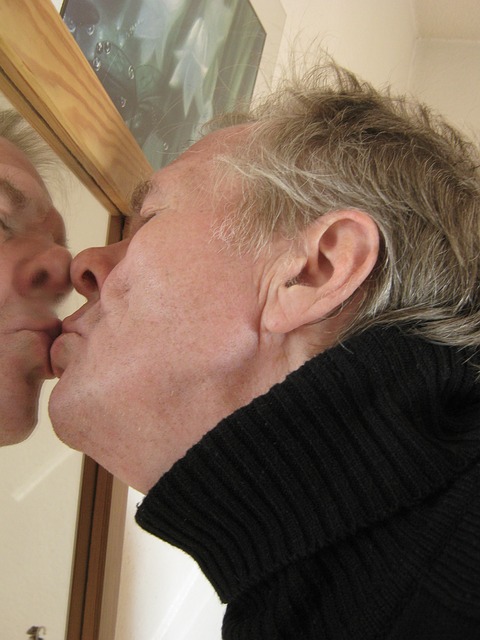

Narcissistic behaviors have always existed at work – here is a guide to recognizing them and learning to manage your responses.
What is a Narcissist?
The word narcissist has become incredibly common in recent years.
Sometimes it describes someone who enjoys attention.
Other times it’s used to describe someone who regularly manipulates, controls, or exploits the people around them.
Learning to recognise those patterns can help us protect both our wellbeing and our business.
It’s worth remembering that Narcissistic Personality Disorder (NPD) is a clinical diagnosis that can only be made by a qualified mental health professional. However, many of us encounter people who display narcissistic behaviours or strong narcissistic traits, particularly in workplaces, leadership positions and business.
Book Resource: Dealing With a Narcissist Boss: How to Handle Gaslighting, Manipulation, and Power Abuse in the Workplace by Dr. Livia M. Hartwell
Narcissistic Behaviours You May Encounter at Work
Many professionals will meet someone who regularly displays behaviours such as:
- believing they deserve special treatment
- exaggerating achievements
- taking credit for other people’s work
- needing constant admiration
- struggling to accept criticism
- lacking empathy for colleagues
- manipulating situations to remain in control
- creating conflict while appearing blameless
- blaming others when things go wrong
One behaviour alone doesn’t make someone a narcissist.
It’s the consistent pattern over time that matters.
I learned so much from my last boss in the corporate world! He played all the games that people with narcissistic traits demonstrate.
I don’t know if he was narcissistic, but he would certainly try to pit all of us 12 managers in the organization against each other.
Each month at the monthly management meeting, he would pick on one manager to bring down in front of everyone else. I remember clearly when it was my turn – it was one of the reasons that ultimately made me leave.
Narcissistic Styles Can Look Different
Not everyone with narcissistic tendencies behaves in the same way.
Some people are openly confident and dominating.
Others appear shy, self-sacrificing or even vulnerable while still seeking admiration, control or validation.
Over the years I’ve noticed several common styles:
The Overt Performer
Confident, charismatic and always keen to demonstrate why they’re the smartest person in the room.
The Quiet Martyr
Appears humble but continually redirects conversations back to their own sacrifices and overlooked talents.
The Controller
Prefers keeping people dependent, limiting independence while presenting it as loyalty or care.
The Expert
Positions themselves as the only person with the right answers and dismisses alternative viewpoints.
The Image Builder
Places enormous value on appearance, reputation, and status, often above relationships or collaboration.
Recognising the Energetic Impact of a Narcissist
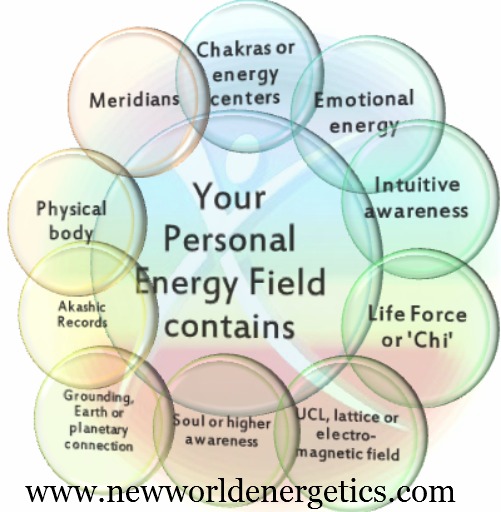
One of the ideas I explore in New World Energetics is that every relationship involves an energetic exchange.
These exchanges can involve attention, ideas, emotions, and thoughts, and ideally are based on trust. These can inspire people in healthy working relationships because they allow that energetic exchange to flow both ways.
When narcissistic behaviours dominate a relationship, that balance often disappears.
You may notice that after meetings or conversations you feel:
- mentally exhausted
- second-guessing yourself
- emotionally drained
- responsible for someone else’s feelings
- reluctant to speak openly
- unusually anxious before interacting with them.
These experiences don’t prove someone is a narcissist.
However, they can indicate that the relationship has become energetically one-sided.
Why Narcissistic Behaviour Can Be So Difficult in Business
In business, narcissistic behaviours often create confusion and can prevent growth for individuals and teams.
Communication becomes centred on personalities instead of outcomes, and collaboration gives way to competition.
Innovation immediately becomes less important than protecting someone’s image. Over time, teams may begin walking on eggshells, withholding ideas or avoiding healthy disagreement.
The result is reduced trust, lower engagement, and poorer decision-making. This is why recognising unhealthy dynamics early is so important.
Protecting Your Personal Energy Around a Narcissist
One of the most valuable lessons I’ve learned is that we don’t always get to choose who we work with.
We do get to choose how we respond.
If you regularly interact with someone displaying narcissistic behaviours, consider:
- maintaining clear professional boundaries
- communicating with facts rather than emotion
- documenting important conversations
- avoiding unnecessary power struggles
- seeking trusted perspectives from others
- protecting time for recovery after difficult interactions
- staying connected to your own values and purpose
The stronger your own human energy field becomes, the less likely you are to be pulled into someone else’s emotional patterns.
New World Energetics and Narcissistic Traits
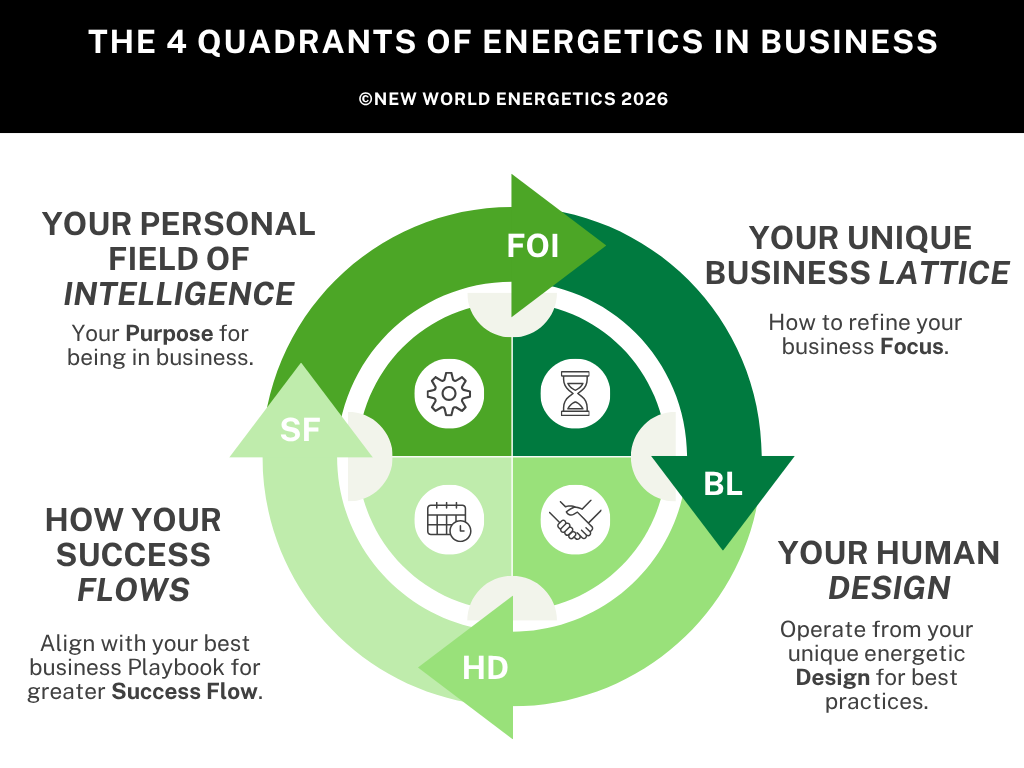
One of the foundations of New World Energetics is recognising that leadership begins with self-awareness.
We cannot control another person’s behaviour; the only thing we can control is to become more aware of our own responses.
That awareness helps us notice when we’re giving away our confidence, our focus or our sense of direction.
It also helps us make wiser choices about who we partner with, who we employ and who we invite into positions of influence.
Healthy businesses of the future aren’t built on domination; that is the energy of the Piscean Age.
In the future, in the Aquarian Age, healthy businesses will be built on trust, mutual respect and energetic coherence.
Final Thoughts
If you’ve worked with a narcissist—or someone who consistently displays narcissistic behaviours—you’ll probably recognise how exhausting those relationships can become.
Understanding these patterns ultimately helps us to develop greater awareness. It’s easy to fall into the trap of labelling people.
When we strengthen our own energetic foundation, maintain healthy boundaries and lead from clarity rather than fear, we become much harder to manipulate.
That, to me, is one of the practical applications of New World Energetics.



[…] The other person is intentionally trying to trigger us, either because of a bad day or through narcissistic or borderline personality issues. […]
[…] a man who is sensitive and empathic, this story takes us on the journey of first love lost, second love turning narcissistic (I sense a new theme here amongst writers) and how the unraveling of a marriage affects everyone […]
[…] eye contact can be a bit of a giveaway, also face-reading or expression-checking. Narcissists, in particular, are very good at this, because they can read your thoughts and emotional state from your eyes. Creepy, but […]